The Coming Global Religious System
The Bible’s warns about a coming one-world religion, and the deception it will bring. Learn why allegiance to Jesus is crucial before it’s too late.
The Coming Global Religious System Read More »


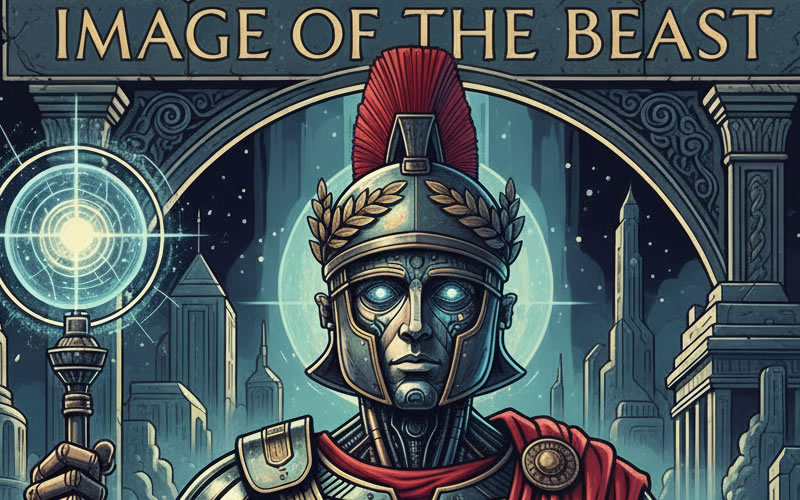
The Bible’s warns about a coming one-world religion, and the deception it will bring. Learn why allegiance to Jesus is crucial before it’s too late.
The Coming Global Religious System Read More »
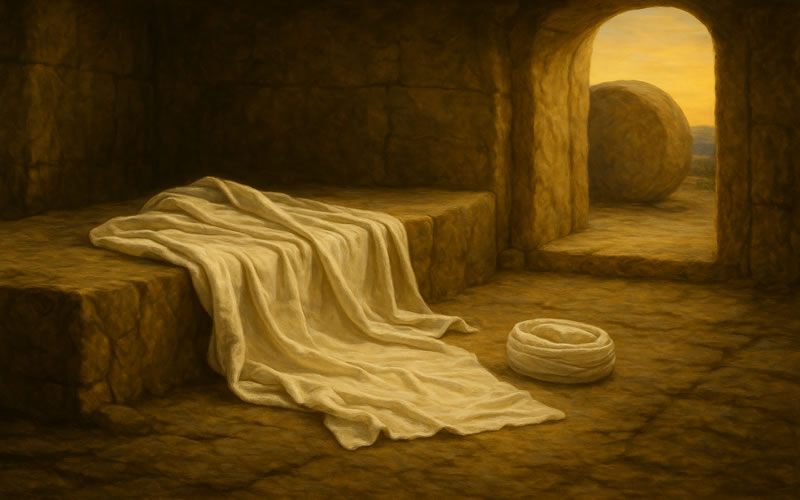
Discover how the resurrection of Jesus Christ changed everything—for history, humanity, and your future. A powerful reflection on hope, immortality, and new life in Christ.
The Resurrection That Changed Everything Read More »
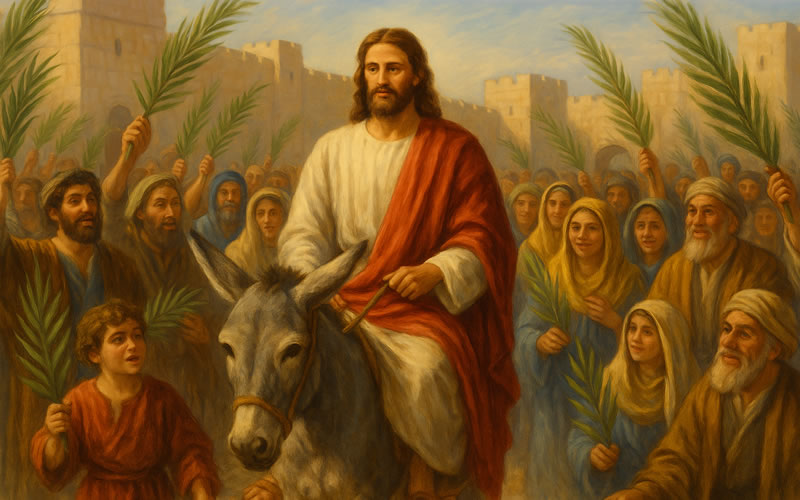
Learn the prophetic significance of Jesus’ Triumphal Entry into Jerusalem on Palm Sunday and how it foreshadows His glorious return as King to rule from Jerusalem.
Jesus’ Triumphal Entry to Jerusalem Read More »
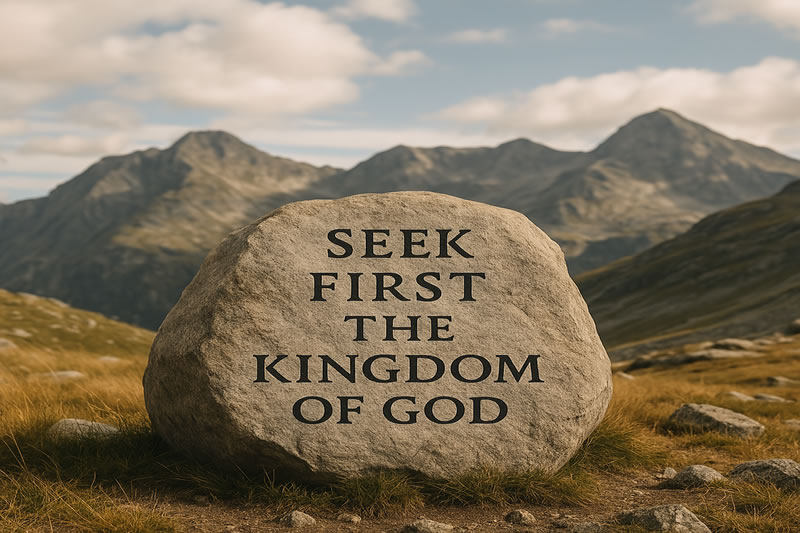
Amid the busyness of daily life, it’s easy to lose sight of God’s will. Here are 5 signs that you may not be prioritizing the Kingdom of God.
5 Signs You Are Not Seeking First the Kingdom of God Read More »

Embracing God as the moral authority over your life and trusting in His wisdom brings purpose, guidance, and true fulfillment.
Embracing God as the Moral Authority Over Your Life Read More »

Discover why humanity’s pursuit of technological utopia and digital immortality—through AI and transhumanism,—offers a false hope.
Humanity’s Quest for Technological Utopia: A False Hope Read More »

Learn how God’s plan for history unfolds from Genesis to Revelation, including how His redemptive work brings us back to Eden.
God’s Sovereign Plan for History Read More »

Learn how to live faithfully to God without compromise under a Babylonian system that challenges God’s ways.
Sunday Reflection: Living Faithfully Under a “Babylonian System” Read More »

Today, let us take a moment to reflect on the personal name of God—Yahweh—and why it holds deep significance for our faith.
Sunday Reflection: God’s Personal Name and Why It Matters Read More »

Imagine being invited to the most glorious feast ever prepared—a banquet set by the King of the universe Himself—the great messianic banquet.
Sunday Reflection: The Table is Set for the Great Messianic Banquet Read More »

Have you ever paused to ask yourself why you’re here on Earth? Are you busy ignoring God or are you living out God’s purpose for your life?
Sunday Reflection: Why Are You Here on Earth? Read More »

In a world where money is often seen as the ultimate success, it’s important to remember that true wealth goes beyond just materialism.
Sunday Reflection: The True Wealth That Transcends Everything Else Read More »

Prepare for the coming latter rain outpouring, a powerful move of God to equip and transform lives before the Messiah’s return.
Prepare for the Coming Latter Rain Outpouring Read More »

Discover God’s immense authority and power over all creation and His mission to redeem and restore what is broken in your life.
Sunday Reflection: God’s Authority Over All Creation Read More »

Discover a deeper sense of fulfillment beyond material wealth as we explore biblical perspectives on success and true riches.
Sunday Reflection: Finding Fulfillment Beyond Materialism Read More »

Join us in this Sunday reflection as we look back on the events of 2024—conflicts, crises, and global turmoil—and a possible door of hope.
Sunday Reflection: Looking Back on 2024 Read More »

I am glad to share some exciting news – Homo Novus has won the prestigious 2024 ACABA in the Evangelism/Apologetics category!
Homo Novus Wins the 2024 African Christian Authors Book Award Read More »

As we celebrate the season of Christmas, a familiar song rings through our hearts and homes: “Joy to the world, the Lord is come. Let earth receive her King.” These timeless lyrics remind us of the true purpose of Christmas—the birth of Jesus Christ, the Savior and King of all. But what does this really mean for us today, in a world filled with uncertainty, turmoil, and longing for peace? The message of Christmas is more than just the story of a baby born in a humble manger. It is the announcement of good news for all people, as declared in Luke 2:10b: “I bring you good news that will cause great joy for all the people.” All people. This is not just a message for a particular group or time; it is for the whole world, for everyone—no exceptions. Jesus came to offer joy, peace, and hope, regardless of our backgrounds, situations, or struggles. In our world today, we are witnessing unprecedented levels of uncertainty, chaos, conflict, and suffering. Wars continue to ravage nations, economies struggle, and many people live in fear, not knowing where to turn for answers. With each headline, it can feel as though the chaos of the world is spinning out of control. But the birth of Jesus offers us a different story, a story of hope and redemption. For a child is born to us, a son is given to us. The government will rest on his shoulders. And he will be called: Wonderful Counselor, Mighty God, Everlasting Father, Prince of Peace (Isaiah 9:6, NLT). The phrase “the government shall be upon his shoulders” signifies that Jesus will bear the responsibility of governing and ruling. He will have ultimate authority over all things, and his reign will bring peace and justice. He fulfills the promise of a ruler who would bring eternal peace and justice to the world—the Prince of Peace. Jesus is the true King who rules with justice and righteousness, not with oppression or violence. In the midst of the chaos of this world, Christmas offers a clear invitation: make room for Him. “Let every heart prepare Him room.” It is a call to action for everyone even if you have never considered His claim on your life. No matter where you are on your journey, the King of the world is calling you to make room for Him. Making room for Jesus means acknowledging Him as Lord and King, not just as a distant figure or historical icon, but as someone who can change your life today. In doing so, you experience the wonders of His love—a love that can heal even the deepest wounds. As followers of Jesus, we are reminded that our King calls us to be agents of His truth and love in a hurting world. We are called to share the good news of His arrival, not just in words but in our actions. To demonstrate His love by helping those in need, by standing for justice, and by offering peace where there is conflict. As we remember His first coming (birth, death, and resurrection) this Christmas, let us also look forward to the promise of His Second Coming, when His reign will be fully realized. In that future day, the promise of eternal peace and justice will be fulfilled as Jesus returns to establish His government, replacing the unjust governments of this world. Our joy as God’s people is not defined by our present circumstances, but is rooted in our hope and trust in God’s faithfulness to fulfill His promises. This is the true joy of Christmas.
Sunday Reflection: Make Room for the King This Christmas Read More »

Have you ever thought about the true meaning of praying, living, and acting “in the name of Jesus”? This week’s reflection delves into the incredible authority His name carries—how it empowers our prayers, guides our actions, and connects us to God’s will.
When we speak and live in His name, we align ourselves with His purposes and tap into His divine power. It’s not just about invoking a name—it’s about embracing His mission and reflecting His love in everything we do.
Sunday Reflection: In the Name of Jesus Read More »

Ever wondered what Jesus really meant when He said, “Do not judge”? It’s a teaching we hear often, but how do we truly live it out in our everyday lives?
In today’s reflection, we explore Jesus’ powerful message on how we can move beyond superficial judgment and embrace grace, humility, and mercy.
Sunday Reflection: What Does Jesus Mean by ‘Do Not Judge’? Read More »

In a world marked by deep political divisions and global conflicts, it’s easy to feel overwhelmed and hopeless. Today, we explore how the Kingdom of God offers a lasting hope—both for today and the future.
Sunday Reflection: Finding Hope in a Divided World Read More »

In a world where we constantly strive for security, success, and personal survival, it can be easy to lose sight of what truly matters. This Sunday, let’s reflect on Jesus’ powerful words on seeking first the Kingdom of God.
Sunday Reflection: Seeking First the Kingdom of God Read More »

What if the key to healing broken relationships, restoring peace, and bringing real change to peoples lives lies in one simple yet profound act?
Let’s explore the transformative power of mercy. It’s more than just forgiveness—it’s a force that can change hearts, heal wounds, and create new beginnings.
Sunday Reflection: The Transformative Power of Mercy Read More »

What if the true heart of our faith isn’t found merely in the rituals we follow, but in the way we treat others and live out God’s values in our everyday lives?
In this week’s reflection, we explore Jesus’ powerful words in Matthew 23:23, where He challenges us to move beyond mere religious duty and to reflect a heart that is deeply aligned with God’s values such as justice, mercy, and faithfulness.
Sunday Reflection: The Weightier Matters – Justice, Mercy, and Faithfulness Read More »
Join me as we explore the teachings of the Nicolaitans and how their warnings are still relevant today. In this post, we’ll learn how to identify and resist modern Nicolaitan influences, the challenges we face in our faith and how to stay true to God’s word in a world full of distractions and negative influences.
Let’s get started and reflect on what we can learn to strengthen our walk with God!
Sunday Reflection: Lessons From the Nicolaitans and Their Modern-Day Counterparts Read More »
True greatness isn’t about seeking power, status, or recognition. According to Jesus, it’s about humility, service, and love.
Check out this thought-provoking article on Jesus’ radical teaching in Matthew 23:6-12, where He flips societal norms upside down.
Take a moment to reflect on your values and priorities. Are you seeking greatness in the eyes of the world or in the eyes of God?
Sunday Reflection: Examining Jesus’ Radical Perspective on the True Measure of Greatness Read More »

Had an amazing conversation with Josh Cary, A New York based Podcaster. We discussed key themes from my book and much more. Take a listen and be blessed!
Interview with Josh Cary-New York Based Podcaster Read More »

Homo Novus got featured on The Gospel Coalition (TGC) website! TGC is a global network of evangelical churches, and I’m honored to have my work featured on such a prestigious platform. Please click here for more details.
Homo Novus was Featured on The Gospel Coalition (TGC) Platform Read More »

Recently had an engaging interview with The Washington Mail—a US based daily newspaper and magazine where we discussed interesting themes from my book including the resurrection. Click here for details
Interview with The Washington Mail Read More »

The Guardian newspaper covered and reported the Homo Novus book launch event in December 2023. See detailed report as featured on The Guardian.
Homo Novus Book Launch as Featured on the Guardian Read More »