Sunday Reflection

What Happens When AI Becomes Smarter Than Humanity?

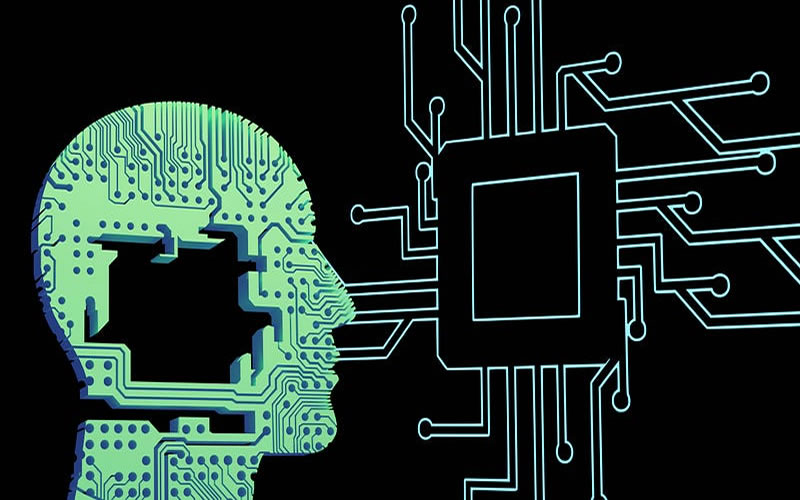
We are living through a remarkable moment in human history. A small group of frontier AI companies is engaged in a race to develop something that could fundamentally change the future of humanity. The companies describe their missions in different ways, but when you look beneath the language, the common ambition is ultimately the development of artificial general intelligence (AGI). In other words, these companies are not simply trying to build better chatbots. They are pushing toward increasingly general machine intelligence. The immediate race is about building models that can reason better, understand more, use tools, write software, conduct research, and act autonomously. But the larger destination is the possibility of creating an intelligence that can operate across a vast range of domains For most of human history, we humans have been the most intellectually capable species or living thing on Earth. We have used our intelligence to understand nature, develop science, build civilizations, create technologies, and reshape the planet. AGI raises the possibility of creating another form of intelligence whose capabilities could eventually exceed ours across many of these domains. And that brings us to a question that is much bigger than technology: What happens to humanity if these companies actually succeed?  What Happens When We Are No Longer the Smartest? Imagine a future in which AI can outperform human beings in programming, engineering, scientific research, mathematics, medicine, writing, analysis, design, and strategic planning. Imagine AI agents capable of carrying out complex tasks independently and robots capable of applying that intelligence in the physical world. If that future fully arrives, humanity will face a crisis deeper than unemployment. We will face an identity crisis. For centuries, human beings have tied their sense of worth to what they can accomplish. We admire intelligence. We reward productivity. We celebrate innovation. We measure success through careers, income, status, and economic contribution. The question is, what happens when the very intelligence that enabled us to dominate the world is no longer uniquely ours? What happens when the machine can do your job better than you? What happens when an AI can write better code than the programmer, conduct research faster than the scientist, analyze contracts better than the lawyer, and design systems more efficiently than the engineer? If the machine can do what you do better than you can, what are you worth? These questions expose something we may have misunderstood about ourselves. Perhaps human worth was never supposed to rest on our ability to outperform everything else. The Crisis of Human Identity Some people in the technology and transhumanist communities believe that as AI becomes more powerful, humans should use technology to enhance themselves and become more capable too so that we don’t get left behind and rendered economically useless. This could mean connecting our brains to computers, using technology to improve memory and intelligence, extending our lifespan, or integrating AI more closely into our bodies and daily lives.  There may be genuine benefits in some forms of human augmentation. Technology can help people overcome disabilities, communicate, learn, and accomplish things that would otherwise be impossible. But there is a deeper problem if we begin to believe that technological enhancement is what will make humanity valuable. If human worth depends on intelligence, we will have to become more intelligent. If it depends on productivity, we will have to become more productive. If it depends on competing with machines, we will have to keep upgrading ourselves every time the machines improve.  Where does that end? It appears we have allowed economic concepts such as productivity, human capital, income, and labour-market value to bleed into our understanding of human worth. If machines can eventually provide enormous amounts of economically valuable intelligence, humanity may discover that it has been confusing economic usefulness with human worth all along.  The Creator of humanity made the answer clear from the very beginning: human beings are valuable because they are made in the image of God (Genesis 1:26–27).  The Image of God Genesis does not introduce humanity by describing us as the world’s most productive workers, most intelligent problem-solvers, or most economically valuable organisms. That statement changes everything. Human beings are valuable not because of what they can produce, how intelligent they are, how much money they earn, or how useful they are to society. Human beings are valuable because they bear the image of their Creator. God later made this clear when He established the sanctity of human life after the flood: “Whoever sheds human blood, by humans shall their blood be shed; for in the image of God has God made mankind” (Genesis 9:6). In other words, the value of human life is grounded in the image of God. A person’s worth does not rise or fall according to their abilities, achievements, or usefulness. It does not begin with your ability to compete with machines. It begins with God. The image of God gives human life a dignity that cannot be measured by economic productivity or technological capability. To be made in God’s image means that humanity was created to represent God’s character and rule creation in partnership with God. God also gave us a responsibility, or vocation. That vocation is to fill the earth, care for His creation, develop it, and exercise responsible authority over it. (Genesis 1:28; 2:15). In other words, we were created not simply to exist or survive, but to cultivate the world God entrusted to us and help it flourish.  To cultivate creation means discovering how creation works and using that knowledge responsibly. It means building, farming, designing, teaching, healing, creating, governing, protecting, and developing what God has entrusted to us. The engineer, scientist, farmer, teacher, artist, entrepreneur, cab driver, or craftsman can all participate in this vocation. Human work was never about earning money or accumulating wealth. It was about participating in God’s purposes for creation. But We Missed The Mark There is a problem. Humanity did not remain faithful to this vocation. Instead of trusting God, we sought autonomy,

What Happens When AI Becomes Smarter Than Humanity? Read More »

How the Reality of God’s Kingdom Should Change the Way We Live

Imagine knowing with absolute certainty that one day every political system, every empire, every government, and every earthly power will give way to one final Kingdom. Its King will never die, never be replaced, never lose His authority, and never surrender His throne. That is the claim at the heart of the Christian message. The concept of the Kingdom of God is not a religious metaphor or a comforting idea about heaven after death. It presents God’s Kingdom as the ultimate reality toward which history is moving. Daniel saw human kingdoms rise and fall, but he also saw a Kingdom established by God that would never be destroyed. He saw the Son of Man receiving an everlasting dominion. Centuries later, Jesus appeared announcing, “The kingdom of God has come near.” If this is true, then it is not a subject we can afford to treat casually. How should we live today if Jesus really is the King who will ultimately rule the world? We Have Seen Kingdoms Rise and Fall Before Human history is filled with kingdoms that once appeared unstoppable. Babylon seemed invincible until it wasn’t. Rome dominated the known world until it fragmented and disappeared. Great rulers built enormous monuments to their power, but eventually those rulers died, and their kingdoms passed into history. Every human kingdom carries the same limitation: it is temporary. Kings die. Governments change. Borders move. Nations rise and fall. Economic systems collapse and are rebuilt. Technologies that seem revolutionary today eventually become obsolete. Yet Daniel’s vision presents something fundamentally different. God’s Kingdom does not appear as merely the next empire in a long sequence of empires. It is the Kingdom that ultimately outlasts them all. Daniel 2:44 says that God will establish a kingdom that “will never be destroyed” and that “will itself endure forever.” That should make us stop and think. If we knew that a particular earthly government would rule for the next thousand years, we would take its policies seriously. We would want to understand its laws, its ruler, and our relationship to it. But what if the Kingdom of God is eternal? What if Jesus really is the King? Then the wisest thing we can do is understand what that means for us now. Jesus Is Not Simply Another King Jesus is not simply another ruler competing with Caesar, presidents, prime ministers, emperors or political systems. Earthly rulers possess authority for a limited time. Jesus claims authority over heaven and earth. Earthly kings eventually die. Jesus conquered death. Earthly kingdoms require succession. Jesus has no successor. Earthly kingdoms have borders. God’s ultimate Kingdom encompasses creation itself. Earthly rulers can demand external obedience. Jesus calls for the transformation of the heart. And perhaps most remarkably, Jesus does not establish His Kingdom by behaving like the rulers of this world. He conquers through sacrificial love. The King who will ultimately rule the nations first allowed Himself to be nailed to a cross. That is the paradox of God’s Kingdom. The King conquers by giving Himself. The ruler becomes the servant. The greatest becomes the least. The throne is reached through the cross. This is a completely different vision of what true authority looks like. So Why Aren’t People Rushing Toward It? If God’s Kingdom is eternal, if Jesus is the rightful King, and if His Kingdom ultimately outlasts everything else, why aren’t people rushing toward it? Part of the answer is that God’s Kingdom does not currently look like the kingdoms we are accustomed to seeing. We can see governments. We can see armies. We can see money. We can see buildings, technology, and political power. But Jesus compared the Kingdom to a mustard seed, yeast, hidden treasure, and a priceless pearl. The Kingdom can appear small while being infinitely significant. But that’s not all. There is yet another reason. The Kingdom requires us to surrender completely to God. Human beings naturally want to rule themselves. We want to determine our own values, define our own morality, control our own future, and decide what gives our lives meaning. But the message of God’s Kingdom confronts that instinct. It demands our complete allegiance.  Jesus wants to be Lord over our lives, and that means surrendering the throne of our lives to Him. But surrender is not just about accepting a religious belief; it means changing the way we live. It means turning away from our old ways, changing our priorities, and choosing to live according to the values of God’s Kingdom. And that is where many people struggle,  “…the light has come into the world, but people love the darkness rather than the light because they do not want to do what is right. Anyone who does evil things hates the light and will not come to the light, because he does not want his evil deeds to be shown up” John 3:19–20 (GNT). We Often Want the Benefits Without the King Many people want what God can give without wanting God to rule them. We want the Kingdom without the King. Jesus never presented discipleship that way. When He called people to follow Him, He called them to a new allegiance. The rich young ruler discovered that the Kingdom could not simply be added to his existing priorities. Something else occupied the throne of his heart. This is why Jesus said, “Seek first the kingdom of God and his righteousness.” First is the keyword. The World Offers What We Can See Now One of the greatest obstacles to embracing God’s Kingdom is that the world offers rewards we can see and enjoy right now. Money can give us a sense of security, success can bring status, technology can give us power, possessions can provide comfort, and influence can give us a sense of authority. None of these things is necessarily wrong.  God is not against money, success, possessions, technology, influence, or achievement. In fact, these things can be used for good and for the purposes of His Kingdom. The real

How the Reality of God’s Kingdom Should Change the Way We Live Read More »

Homo Novus vs. Homo Deus: Why the Resurrection Offers Humanity a Better Future Than Technological Immortality

Humanity has always dreamed of becoming more than human. Ancient civilizations searched for the Fountain of Youth. Alchemists searched for the elixir of life. Today, scientists and entrepreneurs are investing billions of dollars in artificial intelligence, genetic engineering, nanotechnology, brain-computer interfaces, and anti-aging medicine. The goal is no longer simply to cure disease. Increasingly, it is about transcending the biological limitations of Homo sapiens itself and creating a technological utopia. Few writers have described this vision more clearly than historian and futurist Yuval Noah Harari. In his book Homo Deus, Harari argues that after largely overcoming famine, plague, and war, humanity’s next great ambition is to pursue happiness, godlike intelligence and knowledge, and eventually immortality. According to him, humans will seek to redesign themselves through science and technology. Homo sapiens, he argues, may eventually give rise to Homo Deus—a technologically enhanced species possessing abilities that previous generations could only attribute to gods.  “Having secured unprecedented levels of prosperity, health and harmony… humankind’s next targets are likely to be immortality, happiness and divinity” (Yuval Noah Harari). It is one of the most ambitious visions ever proposed. It is also one that raises an important question. Should humanity become more powerful before it becomes better? Harari’s Own Diagnosis One of the things I admire most about Harari is his intellectual honesty. Unlike many techno-optimists, he does not assume that greater intelligence automatically produces greater wisdom. In fact, he repeatedly warns that humanity’s greatest danger is not a lack of technological progress but a lack of moral progress. Perhaps nowhere is this clearer than in one of his most insightful observations: “If humans were only wise, we would never misuse our creations. If we were only stupid, we would never have invented them. But we are wise enough to create incredible things, and stupid enough to misuse them. This is a basic tension in human history.” That single statement may be one of the best summaries of the human condition ever written. Harari continues: “One of the most powerful forces in history is human stupidity. We know that nuclear weapons could destroy the whole of humanity. We know that AI can now escape our control. And yet, we keep on producing it.” Elsewhere he writes, “We should never underestimate human stupidity. Both on the personal and on the collective level, humans are prone to engage in self-destructive activities.” Perhaps his greatest warning is this: “The danger is that if we invest too much in developing AI and too little in developing Human Consciousness, the very sophisticated Artificial Intelligence of computers might only serve to empower the Natural Stupidity of Humans.” These are Harari’s own assessment of humanity. In Sapiens, Homo Deus, and 21 Lessons for the 21st Century, he repeatedly observes that although humans have become extraordinarily intelligent, they remain deeply susceptible to myths, tribalism, short-term thinking, self-deception, and destructive behavior. We possess unprecedented power but often lack the wisdom to use it responsibly. In another memorable observation, Harari writes that humanity is now “more powerful than ever before, but has very little idea what to do with all that power.” That statement may unintentionally expose the greatest weakness in the Homo Deus project. Technology can make us more powerful, but it cannot tell us what kind of people should possess that power. Homo Deus Cannot Cure the Human Heart Imagine that science succeeds in eliminating aging. The first question is not whether such a breakthrough is possible, but who will have access to it. Will it be available to everyone, or only to the wealthy? Will governments use it to improve the lives of their citizens, or will powerful nations and military regimes exploit it to strengthen their dominance? The technology itself cannot answer those questions. It simply provides the capability. Now imagine that artificial intelligence makes humans a thousand times more intelligent. Who decides how that intelligence should be used? Will it be directed toward curing disease, ending poverty, and protecting the planet? Or will it be used to develop more sophisticated weapons, manipulate public opinion, and concentrate power in the hands of a few? Intelligence alone cannot determine the right course of action. Suppose genetic engineering eventually enables us to create “superior” human beings. Superior according to whose definition? Superior in strength? Intelligence? Beauty? Productivity? Obedience? Every answer reflects a moral value judgment, and technology cannot tell us which values are right. It can show us how to achieve a goal, but it cannot tell us which goals are worth pursuing. This exposes the fundamental limitation of Homo Deus. Technology excels at answering how, but it struggles to answer why. It can redesign the body, but it cannot transform the human heart. A perfectly healthy tyrant is still a tyrant. An immortal criminal is still a criminal. A superintelligent narcissist is simply more dangerous than an ordinary one. Remarkably, Harari himself recognizes this dilemma. Throughout his writings, he acknowledges that humanity has become extraordinarily powerful while remaining morally fragile. The Bible has described this same condition for thousands of years, and it gives it a name: sin. According to Scripture, humanity’s greatest problem is not mortality; mortality is the consequence. The deeper problem is humanity’s separation from its Creator, which has corrupted every aspect of human nature. Pride, selfishness, greed, violence, envy, and rebellion are not software bugs that can be patched with better algorithms or biological defects that can be edited out of our DNA. They are conditions of the human heart.  When I say human heart, I am not referring to the physical organ that pumps blood through the body. I am referring to the inner person from which our thoughts, desires, motives, and choices emanate. You could dissect every cell of the biological heart under a microscope and never find pride, greed, hatred, envy, or selfishness to remove. These are moral and spiritual realities, not biological defects that can be edited out with a scalpel or rewritten through genetic engineering.  Technology may continue to increase our

Homo Novus vs. Homo Deus: Why the Resurrection Offers Humanity a Better Future Than Technological Immortality Read More »

God’s Desire to Dwell with Humanity

There is a single thread that runs through the entire Bible. It begins in a garden, passes through a tent in the wilderness, a glorious temple in Jerusalem, a manger in Bethlehem, an upper room in Jerusalem, and ends in a radiant city where heaven and earth become one. That thread is this: God’s greatest desire has always been to dwell with humanity. The Bible is the story of God’s kingdom being restored so that God may once again dwell with His people in perfect fellowship. It is not the story of humanity searching for God. It is the story of God relentlessly pursuing humanity, overcoming every barrier that sin erected so that He might once again make His home among the people He loves. Once you catch that understanding, you will never read the Bible the same way again. Stories that once seemed unrelated suddenly fit together like pieces of one magnificent puzzle. The Garden of Eden, the Tabernacle in the wilderness, Solomon’s Temple, the incarnation of Jesus, the outpouring of the Holy Spirit at Pentecost, and finally the New Jerusalem are not disconnected events. They are all part of one breathtaking story. They are the successive stages of God’s great mission to bring heaven and earth back together. Every major turning point in the Bible is moving toward the same destination. God is drawing nearer and nearer to His people, and it will culminate in the day when He dwells with them forever.  But to appreciate just how breathtaking this story is, you have to go back to where it all began.  Eden: Humanity’s First Home with God The story begins in Eden. But before we continue, pause for a moment and ask yourself: What exactly was the Garden of Eden? To many modern readers, Eden is simply a beautiful garden where the first humans lived. But the Israelites who first received the book of Genesis would have seen something much bigger. In the ancient Near East, gardens were often associated with kings. They were places of beauty, abundance, rest, and delight. More importantly, temples were frequently decorated with garden imagery because they were thought of as places where heaven and earth intersect and where the deity dwelt with people. Against that cultural backdrop, the Garden of Eden would have been understood as far more than humanity’s first home. It was God’s own dwelling place on earth. It was a sacred space where heaven and earth uniquely overlapped and where human beings lived in unhindered harmonious fellowship with their Creator. There was no temple because the whole garden functioned as sacred space. This was the world as God intended it to be. Then everything changed. Adam and Eve were expelled from the garden, and humanity lost access to God’s immediate presence. From that moment onward, everything that follows is God’s mission to reverse that tragedy. The Tabernacle: God Moves Back into the Neighborhood Centuries after humanity was driven from Eden, God rescued Israel from slavery in Egypt and brought them into the wilderness. There, He gave Moses an extraordinary instruction: “Let them make Me a sanctuary, that I may dwell among them” (Exodus 25:8). God did not simply rescue Israel to give them laws or establish them as a nation. His ultimate desire was to live among them once again. So the Tabernacle was built. It was a beautiful tent that would become the visible center of Israel’s life and worship.  When it was completed, something extraordinary happened. The glory of the Lord descended like a cloud and filled the Tabernacle with such overwhelming majesty that even Moses could not enter. For the first time since Eden, God’s dwelling place was once again in the midst of His people. Yet the restoration was only partial. God was among them, but He was not fully accessible. His holy presence remained hidden behind thick curtains. Only the priests could minister in the Holy Place, and only the high priest could enter the Most Holy Place—and even then, only once a year. God had moved back into the neighborhood, but the intimacy that Adam and Eve had once enjoyed in Eden had not yet been restored. The veil still stood as a constant reminder that sin continued to separate a holy God from the people He longed to dwell with. Solomon’s Temple: A Permanent House As Israel became established in the Promised Land, the temporary Tabernacle eventually gave way to a permanent house. Solomon built a magnificent Temple in Jerusalem, a place that would become the spiritual heart of the nation. When the Temple was dedicated, the same glorious scene that had occurred at the Tabernacle happened again. The glory of the Lord filled the Temple so powerfully that the priests could not continue ministering. It was a powerful confirmation that God had chosen to dwell among His people. No other nation on earth could claim such a privilege. The Creator of heaven and earth had chosen to place His Name in their midst. The Temple became the unique meeting place between heaven and earth. Yet Solomon himself understood a truth that many would later forget. In his prayer of dedication, he humbly acknowledged, “The heaven and the highest heaven cannot contain You; how much less this house that I have built!” (1 Kings 8:27 NKJV). Solomon knew that God could never be confined to a building. The Temple was not God’s prison or permanent residence in the way pagan nations imagined their gods inhabited temples. It was God’s gracious gift to His people. It was a sacred place where He chose to make His presence known and where humanity could draw near to Him. The Temple was, in a unique sense, the place where God’s heavenly presence uniquely intersected with the earthly realm.  The Heartbreaking Departure of God’s Glory  Sadly, Israel gradually came to treat God’s presence as something they possessed (religious possession) rather than a covenant relationship. Although God had chosen to dwell among them, their persistent idolatry

God’s Desire to Dwell with Humanity Read More »

Why Is God So Concerned About the Lost?

If someone asked you, “What is God’s greatest concern?” how would you answer? You might say holiness. Or perhaps prayer, worship, righteousness, or even building the Church. All of these matter deeply to God. Yet when you read the Gospels carefully, you discover something surprising. Beneath every miracle, every conversation, and every journey, you find one recurring theme: God’s unwavering concern for the lost. Jesus’ life and ministry show us that God is deeply concerned about bringing lost people back into a relationship with Himself. He spent much of His time pursuing people whom others had written off. Again and again, He sought out the lost, welcomed them, and invited them into a restored relationship with God. The parable of the lost sheep, lost coin, and lost son all emphasize God’s passionate concern for the lost. This concern is so central that Jesus described His entire mission with these words: “For the Son of Man came to seek and to save the lost” (Luke 19:10). So the question is, why is God so concerned about the lost? To answer that question, we first need to understand who the lost are. Who Are the Lost? When people hear the word lost, some immediately think of criminals, prostitutes, immoral people, or those living far from God. But Jesus had a much broader definition. In His eyes, a person is lost because they are separated from God, not simply because they have committed obvious sins. Luke 15 introduces us to two different kinds of lost people. The Far Lost The younger son in the Parable of the Prodigal Son represents those who have wandered far from God (Luke 15:11–24). He rejected his father, left home, wasted everything he had, and eventually found himself hungry, broken, and alone. His lostness was obvious. Many people today identify with this son. They know they have made mistakes. They know they need forgiveness. They know they need God. The Near Lost The older brother is different. He never left home. He worked hard. He was outwardly obedient but inwardly distant. Although he was physically close to his father, his heart was far away. When his brother returned, he became angry instead of joyful. He did not understand his father’s compassionate love for his wayward brother, and therefore could not share his father’s joy when that broken relationship was restored. The parable portrayed him as resentful. He became angry and refused to go in (Luke 15:28). Jesus told this story because the religious leaders were criticizing Him for welcoming sinners (Luke 15:1–2). They believed God cared more about rule-keeping than restoring people. The older brother represents those who may know Scripture, live morally respectable lives, attend church, or faithfully practice their religion, yet fail to live in alignment with God. Like the older brother, they may be close to the father’s house but far from the father’s heart. Their outward devotion masks an inward distance from God, showing that they, too, are lost. God’s Heart Is to Restore, Not Reject Luke 15 contains three powerful stories: a shepherd searching for one lost sheep, a woman carefully looking for one lost coin, and a father joyfully welcoming home his lost son. Although each story is different, they all reveal the same truth about God’s heart. God does not give up on people who are lost. He seeks them and longs to bring them back into a relationship with Himself. These parables show us a God who takes the initiative, not one who waits passively for people to find their way back. Jesus concludes the parables by saying that there is joy in heaven over one sinner who repents (Luke 15:7, 10). Think about that. Heaven celebrates every time someone who was separated from God returns to Him. That tells us something important about God’s heart. He is not looking for opportunities to condemn people; He is working to restore them. His greatest desire is not to drive people away because of their past, but to welcome them home to a new life. Why Is God So Passionate About Restoring People? God’s heart is to build a family. The Bible begins with humanity living in close fellowship with God as one family, but sin shattered that relationship. From that moment on, the story of the Bible is the story of a loving Father reaching out to bring people back to Himself. This is the thread that runs through the entire Bible and reaches its fullest expression in Jesus Christ. Jesus did not come merely to establish a new religion or give people a better moral code. He came to make reconciliation with God possible. That is why He spent so much time with tax collectors, sinners, and social outcasts. It wasn’t because He approved of their sinful lifestyles, but because He loved them too much to leave them separated from the Father. Everything Jesus said and did pointed people back to God. God Is the Master Evangelist Many believers think evangelism begins with us. The Bible tells a different story. Evangelism begins with God. Long before anyone starts looking for Him, God is already at work in their life. Throughout the Gospels, we see Him taking the initiative again and again. Jesus sought out Zacchaeus before Zacchaeus truly understood who He was (Luke 19:1–10). He called His disciples before they ever imagined following Him. He intentionally met the Samaritan woman at the well before she realized her deepest need was for the living water only He could give (John 4). Jesus made this truth even clearer when He said, “No one can come to me unless the Father who sent me draws him” (John 6:44). God is always the One who makes the first move. He prepares hearts, creates opportunities, and draws people to Himself. He is the One working behind the scenes long before we arrive. This changes the way we think about evangelism. God’s work does not begin with us. He is already at work. Our role

Why Is God So Concerned About the Lost? Read More »

When Will the Kingdom of God Come?

More than six centuries before Jesus was born, God revealed to a pagan king one of the greatest secrets in human history. The king was Nebuchadnezzar of Babylon. He was the most powerful man on earth at the time. Nations trembled before him. Armies marched at his command. Cities fell before his power. To human eyes, Babylon looked invincible. Yet one night, God interrupted the king’s sleep with a dream. It was not an ordinary dream. It was a revelation of the future. The dream troubled Nebuchadnezzar because he sensed it carried tremendous significance. He knew it was a message from a higher power, but he could not understand it. Then God raised up Daniel to reveal both the dream and its interpretation. What Daniel told the king was astonishing. God was showing Nebuchadnezzar where history was headed. The dream was not primarily about Babylon. It was not even primarily about the empires that would follow Babylon. It was ultimately about the Kingdom of God. Daniel explained that the great image in the dream represented a succession of world empires. Babylon would be succeeded by other kingdoms. Those kingdoms would rise, flourish, and eventually fall. Human power would pass from one empire to another until history reached its appointed destination. Then Daniel uttered something very remarkable: “The great God has made known to the king what shall come to pass hereafter.” God was revealing to Nebuchadnezzar when His Kingdom would arrive. Not the exact year. Not the exact century. But the exact point in the prophetic sequence. Nebuchadnezzar could not know how many centuries separated Babylon from that climactic moment. But he knew that  history was moving toward the arrival of God’s everlasting Kingdom. Why Reveal This to Nebuchadnezzar? At first glance, it seems strange that God would reveal such a profound mystery to a pagan king. Why not reveal it to a priest? Why not reveal it to a prophet? Why reveal it to the ruler of Babylon? I think it’s because God wanted the entire world to grasp an important truth: The Most High rules over the kingdoms of men. Babylon appeared supreme. Nebuchadnezzar seemed untouchable. But God was showing him that even the greatest empire on earth was merely the first chapter in a larger story. Babylon would pass away. So would every empire that followed. The mighty image appeared strong and glorious, but it was destined to collapse. Only the Kingdom of God would endure forever. The dream was a divine announcement that human history is not random. Empires do not determine the future; only God does. Kings do not write the final chapter; only God does. History is moving toward a destination already determined by heaven. Therefore, it is only wise to align yourself with what God is doing. The Kingdom Everyone Was Waiting For As generations passed, those who studied Daniel’s prophecy could see where history was heading. God had revealed that the kingdoms of men would not last forever. Babylon would rise and fall. Other empires would follow. But beyond them all stood a coming kingdom established not by human strength but by God Himself. Daniel’s vision of the stone cut without human hands captured the imagination of believers for centuries. They looked forward to the day when God would intervene decisively in human affairs, shatter the powers of this world, judge the nations, and establish His righteous rule over all the earth. The expectation seemed straightforward. The Kingdom of God would arrive with unmistakable power. The stone would strike the image. The empires of men would collapse. Evil would be judged, God’s enemies defeated, and His reign openly displayed before all nations. For generations, God’s people waited for this dramatic moment when heaven would break into history and bring the long story of human rebellion to its end. They expected a visible triumph, a cataclysmic act of divine intervention that no one could miss. Yet when the promised King finally appeared, almost everything unfolded in a way no one expected. The Kingdom Arrived Ahead of Schedule The stone that was destined to crush the kingdoms of the world did not arrive with armies, political power, or catastrophic judgment. The Kingdom arrived quietly, almost unnoticed, through the ministry of Jesus. While many were looking for the final manifestation of the Kingdom, they failed to recognize that the Kingdom itself had already entered history in its hidden form. The King had arrived ahead of schedule. He was born in a manger and raised in an obscure village. He was followed by fishermen, tax collectors, and ordinary people. Nothing about His arrival looked like the dramatic fulfillment many expected. Yet Jesus began proclaiming an astonishing message: “The kingdom of God has come near” (Mark 1:15). How could this be? Rome still ruled. The nations were not judged. The image still stood. The stone had not visibly shattered the kingdoms of the world. And yet Jesus insisted that the Kingdom had arrived. This is what He called the mystery of the Kingdom. The mystery was how the Kingdom of God would come. It was a truth hidden in ages past but now being revealed. Jesus specifically used parables to explain this mystery to his disciples, as recorded in the Gospels. Through the parable of the mustard seed, Jesus taught that the Kingdom would start small and seemingly insignificant, yet would grow into something great and far-reaching (Matthew 13:31–32). Through the parable of the yeast, He showed that the Kingdom would work quietly and invisibly, transforming lives from the inside out until its influence spread throughout the whole lump of dough (Matthew 13:33). These parables revealed a dimension of God’s Kingdom that many had not anticipated. Jesus stated that this secret is given to his followers but remains hidden from those who refuse to believe. When Jesus told his disciples, “The secret of the kingdom of God has been given to you” (Mark 4:11), he was referring to the fact that the kingdom was acting in an unexpected

When Will the Kingdom of God Come? Read More »

The Great Sea Is Stirring Again In Our Time

It’s a season of global upheaval across the nations, especially in the Mediterranean world and the Middle East. The world is in transition. The existing world order is gradually falling apart. Long-standing power arrangements are being tested and reshaped. What comes next? In the Book of Daniel 7:2, Daniel wrote: “I saw in my vision by night, and behold, the four winds of heaven were stirring up the Great Sea” (NKJV). This was not ordinary weather imagery. The phrase “four winds of heaven” is symbolic language. Four winds” typically represent forces coming from all directions of the earth (north, south, east, west). In biblical imagery, this points to something global or universal in scope. “Of heaven” indicates these forces are under divine authority. They are not random but part of God’s sovereign activity. The winds are said to be “stirring up the Great Sea”, which symbolizes chaos among nations or peoples (the “sea” often represents humanity or the nations in prophetic literature). So when you piece this together, the “four winds of heaven” refers to God-directed forces acting across the whole world, stirring up political upheaval and turmoil among nations. The “Great Sea” in the context of Daniel’s vision represents the turbulent Mediterranean-centered world from which successive empires would arise. This sets the stage for the vision that follows, where four beasts (kingdoms) emerge from this chaos. Out of that stirred sea came four beasts which represent four world empires that shaped human history: Babylon Medo-Persia Greece Rome What was prophecy in Daniel’s day is now history. Babylon rose from regional upheaval. Persia emerged through coalition and conquest. Greece burst forth under Alexander with astonishing speed. Rome consolidated power and dominated the known world with iron-like strength. After Rome, many other powerful empires and systems of power emerged across the Mediterranean and the European sphere. Major examples include the Ottoman Empire, the Holy Roman Empire, the European colonial empires, and eventually the modern Western-led global order. Each empire arose after periods of geopolitical instability, war, shifting alliances, and societal upheaval. The sea was stirred, and powerful empires emerged. For much of the twentieth century, especially after World War II, the world was shaped largely by Western powers and institutions. Economic systems, military alliances, global finance, trade routes, technological development, and international governance were heavily centered around the United States and its European allies. This created a relatively unified global order with Western influence at its core. However, that order is now gradually shifting toward a more multipolar world. Today, the Mediterranean and Middle Eastern world is once again being stirred. Recent escalation involving Israel, Iran, and the United States has intensified instability across the region. The conflict has spread tensions across Lebanon, the Gulf region, shipping routes, energy markets, and regional alliances. Missile exchanges, military strikes, strategic realignments, and economic disruptions are reshaping the Middle East. The conflict is no longer isolated; it is affecting the broader geopolitical order surrounding the Mediterranean and adjoining regions. For students of biblical prophecy, this raises an important question: Could this be part of the “stirring” preceding the arrival of what would be the last world empire before the Kingdom of God takes over, as described in the book of Daniel and Revelation? Daniel’s Prophetic Pattern Daniel’s visions reveal a repeated prophetic pattern throughout history. First comes turmoil among nations. Out of that chaos emerges political consolidation. This leads to the rise of empires and eventually the concentration of power under dominant rulers. Yet no empire lasts forever. Each kingdom ultimately faces divine judgment and falls. This pattern already unfolded historically through the rise and fall of Babylon, Medo-Persia, Greece, and Rome. But Daniel’s prophecy does not end with ancient Rome. He also foresaw a final stage of human government represented by the ten toes of iron mixed with clay in Daniel 2 and the ten horns on the fourth beast in Daniel 7. This final system appears both strong and divided—powerful externally yet internally fragile. It begins as a coalition of rulers or kingdoms, but eventually authority becomes centralized under a dominant leader. According to the prophecy, this final phase of human rule precedes divine judgment and the full arrival of the Kingdom of God under Jesus. He alone is worthy to rule the World. The Mediterranean World and the Final Empire Historically, the Roman Empire encompassed: Southern and Western Europe, Parts of the Middle East, North Africa around the Mediterranean basin. Daniel’s fourth kingdom is traditionally understood as Rome. The ten horns are a future empire that arises from the final phase of that same fourth kingdom. That means the final phase of the world empire emerges from the broader Roman sphere. This does not necessarily mean ancient Rome will literally return. The prophecy points toward a future political order arising from regions historically shaped by Roman civilization and Mediterranean geopolitics. Today, the Mediterranean region remains one of the most strategically important areas on earth: military alliances, energy routes, trade corridors, religious tensions, migration crises, and global diplomacy all converge there. The “Great Sea” is stirring again. From Regional Conflict to Global Authority The Bible, in Daniel 7 and Revelation 13, describes a prophetic progression toward the development of the final world system. First, multiple rulers or kingdoms emerge together within a larger political structure. Over time, power gradually becomes centralized, and a dominant leader rises from within that system. Daniel calls this ruler the “little horn,” while Revelation describes him as the “beast.” As his authority expands, the system’s influence extends beyond its regional origins to achieve global political, economic, and ideological dominance. In Book of Daniel, the ten kings appear as rulers arising from the final phase of the fourth kingdom. Out of this coalition of powers, a central ruler described as the “little horn” emerges and gains dominance among them. Book of Revelation says the kings eventually “give their power and authority to the beast,” indicating a transfer from shared authority within the kingdom to increasingly centralized rule

The Great Sea Is Stirring Again In Our Time Read More »

How God’s Decisive Acts in History Make People and Angels Sing

There’s something I started noticing as I carefully traced the major moments in the unfolding story of the Bible. At first, it didn’t seem like a big deal, just a small detail easy to overlook. But the more I paid attention, the more it stood out to me. When God Acts, Song Follows  Whenever God acts decisively, in a clear and powerful way, people respond the same way: they sing. It wasn’t something I expected to find over and over again, but it kept showing up. It’s as though song is the natural human and even heavenly response when God’s promises move from words into reality. You see it as early as creation. Though Genesis records the act itself in simple, powerful language, later Scripture pulls back the curtain and tells us something more. In Job 38:7, creation is described as a moment when “the morning stars sang together, and all the angels shouted for joy.” Before humanity even finds its voice, heaven is already responding. Why? Because something God spoke has now come into being. Promise meets fulfillment, and song breaks out. Then, as you move forward, the pattern continues unmistakably. After the Red Sea opens and Israel walks through on dry ground, what happens next? A burst song. In Exodus 15, Moses and the people erupt in praise because what had seemed impossible has just happened. God said He would deliver them, and now they are standing on the other side of the sea. The song is their way of saying, “God has done exactly what He said.” And if you pay attention, you start to realize something deeply personal: A song is what happens when you finally see what you’ve been trusting God for. When you come to the birth of Jesus Christ, the pattern intensifies. The Gospel of Luke reads almost like a soundtrack. Mary sings (Luke 1:46–55). Zechariah prophesies in song (Luke 1:67–79). And then heaven itself does the same thing, “a multitude of the heavenly host” fills the sky, declaring: “Glory to God in the highest, and on earth peace…” (Luke 2:13–14) Heaven does not whisper this moment. It sings it. Why? Because a promise spoken across generations has just entered the world in flesh. The waiting is over. God has done what He said. Then comes the cross and the silence of the tomb. And for a moment, it seems like the pattern might break. But it doesn’t. The resurrection of Jesus is announced, not sung, in that instant, but very quickly, it becomes the greatest song the Church has ever carried. You hear it echo in passages like 1 Corinthians 15:54–57: “Death is swallowed up in victory… Thanks be to God, who gives us the victory through our Lord Jesus Christ.” What starts as an announcement becomes a message the Church cannot stop declaring. It turns into worship, preaching, and eventually song. Across generations and cultures, many hymns and worship songs celebrate the resurrection of Jesus. Each echoing the same message: death did not win, and Christ is alive. God fulfilled his promise. In the visions of the Book of Revelation, this pattern reaches its fullest expression. Songs erupt as: God’s holiness is revealed: People respond in worship because they clearly see God’s greatness, purity, and power. Redemption through Christ is seen: Praise rises as it becomes clear to people that God saved them from eternal damnation through the sacrifice of Jesus, and they respond with gratitude and worship. God delivers His people from suffering: Song follows as people experience God stepping in to rescue them through the pain and suffering of the great tribulation and the onslaught of the beast. The faithful overcome and win: Praise breaks out because it is clear that staying faithful to God even in the midst of suffering was not in vain. He brings them through to victory. Songs of praise break out again and again because each moment shows something important about what God is doing. The Loudest Praise Yet as Heaven Erupts at the Coming King In Revelation 19, just before the return of Christ, the songs of praise grew even louder and more thunderous as it became obvious to them that the long-awaited moment of the Second Coming of Jesus and the Wedding Feast of the Lamb had finally arrived. These faithful believers had been waiting for thousands of years for this moment when they would experience the bodily resurrection, as God had promised them. Their response was described as sounding like “the roar of mighty ocean waves or the crash of loud thunder”: “Praise the Lord! For the Lord our God, the Almighty, reigns. Let us be glad and rejoice, and let us give honor to him. For the time has come for the wedding feast of the Lamb, and his bride has prepared herself ” (Revelation 19:6-7). This is not a gentle hymn. This is not a quiet reflection. This is explosive, collective, undeniable praise. Why? Because at that moment, Jesus is about to return. The kingdom of God is about to be fully established. Everything is about to be completed. If you’ve ever really waited for something, through uncertainty, through doubt, through long stretches where nothing seemed to change, then you have a glimpse of what this moment represents. Now multiply that across all of history. Every promise. Every prophecy. Every hope. Every prayer that has ever been asked, “God, when will You make things right?” “When will thy kingdom come?” This is the answer. And the response is song. Everything God said is now an undeniable reality. That’s why the praise is louder here than anywhere else. It’s not just another fulfilled promise. It’s the fulfillment of all of them. The birth proved God keeps His word. The resurrection proved that nothing can stop it. But the return, the final establishment of His kingdom, proves that not one word has failed. Living Between Promise and Fulfillment  And this is where it becomes personal for you. Because you are

How God’s Decisive Acts in History Make People and Angels Sing Read More »

Scroll to Top