Study Text: Revelation 6:1–8
Revelation 6:1–8 pulls back the curtain on how power operates in a world separated from God. When the Lamb opens the first four seals, four horsemen ride forth, not as random disasters, but as a revelation of what happens when human power is pursued apart from righteousness. This passage shows that worldly power is defined by conquest, war, economic collapse, and death. Its path always leads to destruction and a broken society.
Conquest: The First Expression of Worldly Power
The first horse rides out bent on conquest. This rider represents humanity’s desire to dominate, to expand influence, secure control, and impose will through force or threat. Worldly power begins with ambition unchecked by humility. It seeks crowns without accountability and authority without moral restraint.
The Roman Empire spread across the known world through military force, occupation, and fear. The British Empire also spread through military force, strategic occupation, and economic and political control. In modern times, authoritarian regimes rise by seizing territory, silencing opposition, and asserting dominance through force or threat. Conquest promises order and progress, but it is built on fear and coercion. It values victory more than people and success more than righteousness.
War: The Inevitable Result
Conquest never stands alone. The red horse follows, taking peace from the earth. Where domination rules, violence is never far behind. Empires built on conquest must defend their power, and defense quickly becomes bloodshed.
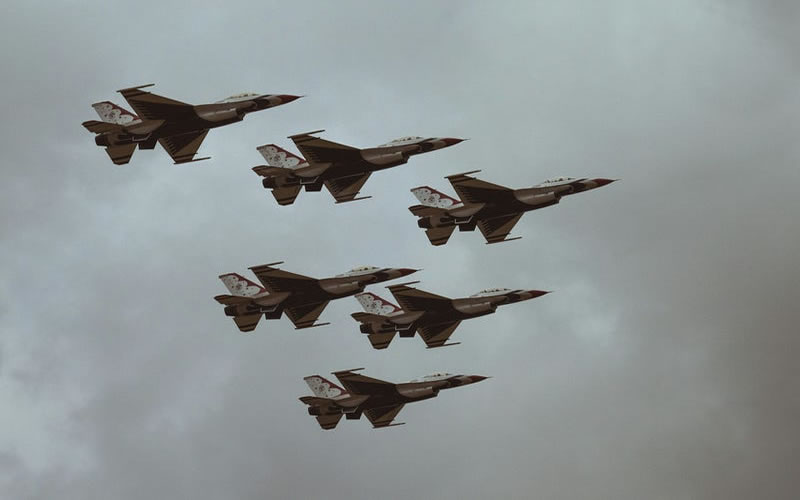
War is not an accident of history; it is the natural outcome of power driven by self-interest. When human ambition replaces submission to God, peace cannot survive. We see this today in regions where military aggression leads to prolonged conflict: cities reduced to rubble, and resources that should sustain and protect human life are instead redirected toward weapons and systems of destruction.
Famine and Economic Collapse
Next comes the black horse, carrying scales. Scales are symbols of rationing, scarcity, and economic imbalance. War disrupts food supply, trade, and stability. The poor suffer most, while the wealthy remain protected. Revelation exposes a world where systems favor survival for the powerful and suffering for the vulnerable.
Even outside war zones, economic systems driven by greed and selfish pursuit of power produce similar results—rising inequality, fragile supply chains, and economic hardship. This is what happens when economic systems are shaped by domination rather than justice. Inequality grows, compassion fades, and survival becomes a privilege.
Death: The Final Outcome
The fourth horse is pale, and its rider is Death, with the grave close behind. Conquest, war, and famine always end here. Human power, pursued apart from God, leads inevitably to loss of life through violence, hunger, disease, and despair.
Death is not merely physical; it is spiritual and social. It marks the collapse of everything worldly power claims to build. From ancient kingdoms to modern superpowers, history repeats the same lesson: power built on domination cannot sustain life. It leaves behind graves, trauma, and broken societies.
The Message Revelation Exposes
In a nutshell, Revelation 6 shows us what human power looks like when it operates apart from Him. The horsemen are not just future judgments; they are a revelation of a recurring pattern in human history: conquest gives rise to war, war leads to famine and economic collapse, and all of it ends in death.
Jesus exposes the same pattern in Matthew 24, where He warns His disciples about what would characterize human history until the end: “You will hear of wars and rumors of wars… nation will rise against nation… there will be famines and pestilences” (Matthew 24:6–7).
This is the same sequence revealed by the four horsemen—conquest, war, famine, and death. They are not random disasters or signs that God has lost control; they are the predictable results of human power exercised apart from God. Conquest leads to conflict, conflict disrupts societies, and broken societies produce suffering and death. By revealing this pattern, Christ is exposing the false promise of worldly power.
The wisdom we take home is this: sacrifice, not conquest, defines true power. Do not place your trust in systems, leaders, or forms of power that are built on domination rather than righteousness. Revelation 6 helps us to recognize where certain paths lead before we walk them. God is calling us to discernment, to refuse the illusion that force can bring peace or that control can bring life.
Following the Pattern of Jesus
Human conquest can demonstrate strength, influence, or strategy, but it cannot establish worthiness. Jesus possesses not only the ability to rule but the moral right to rule because He never seized power for Himself; He laid down His life for others. He lived in perfect obedience to God, committed no injustice, and used His authority to heal, forgive, and restore.
Jesus’ path to power challenges us to rethink how we understand strength, leadership, and worldly success. Do not be enticed by the false promises of worldly success. If Jesus rules through service, then we must embrace the same pattern. In God’s kingdom, your greatness is never measured by how much control you wield, how much status you gain, or how many victories you can claim over others. It is measured by your willingness to love when it costs you, to serve when it’s inconvenient, and to give when no one is watching.
God’s sovereign plan for history is unfolding, and Jesus is leading the way. He calls us to a kingdom where you do not rise by stepping on others, but by lifting them up; where influence flows not from dominance, but from compassion; and where true strength looks like self-giving love. Make it your highest priority to seek first the Kingdom of God, and let it guide everything you do each day.